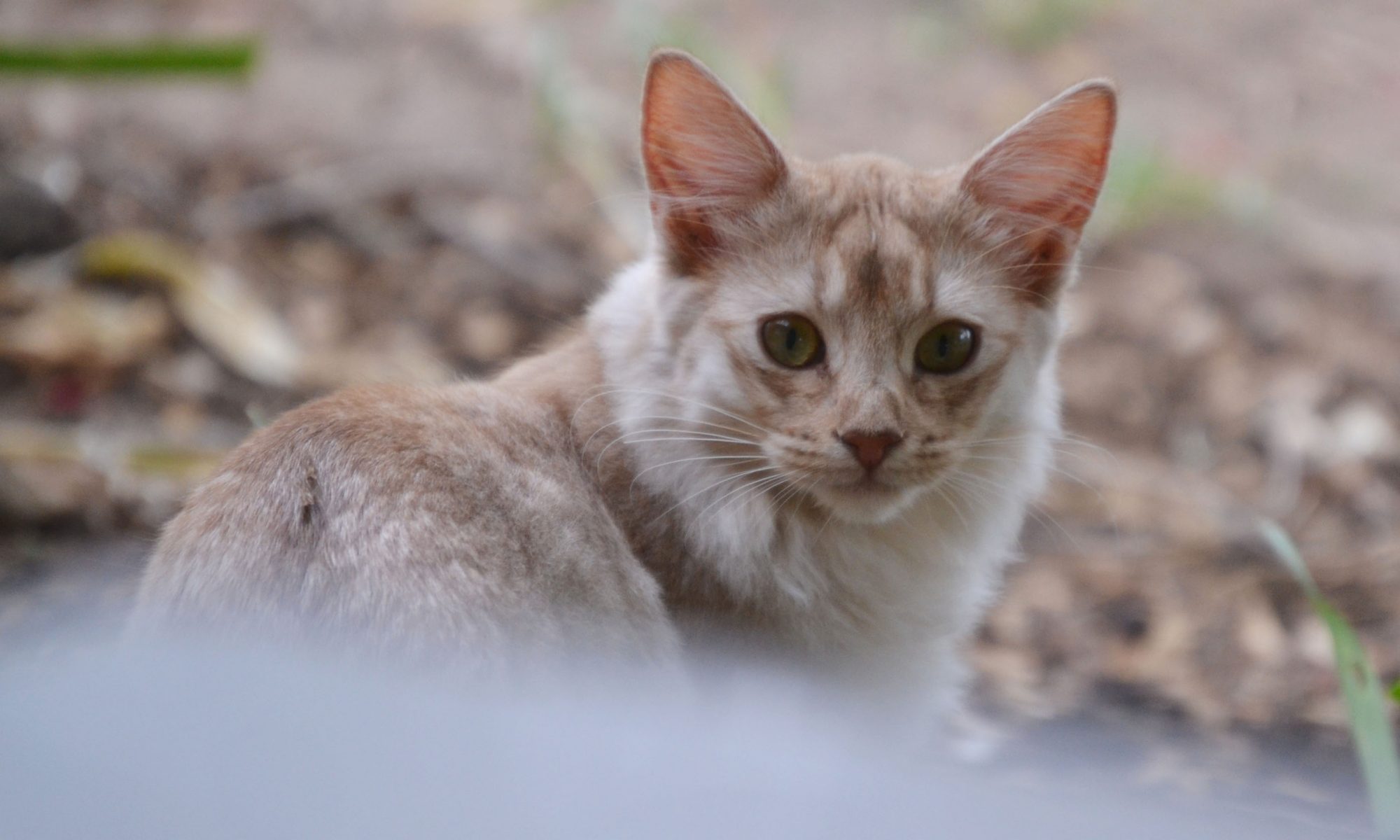

What is a Somali?
The Somali is actually an Abysinnian with long hair and we still use Abys in our breeding program, although Aby breeders don’t use Somalis in theirs.

The basic description for a Somali is the same as that of the Aby, except for the fact that the Somali has the most luxurious, fluffy coat and the deliciously fluffy tail. Interestingly enough, there are parts of a Somali’s coat that are not long, like their shoulders. However, a cat with a nice fluffy mane (rough), bumm (breeches) and tail (plume) are the ideal. This is why they are often referred to as Foxy cats.
The main distinguishing feature of the Aby and Somali is their colour. They carry the agouti gene. This means that their coat is ticked. Ticking is when each hair has stripes on it, bands of 2 different colours. It gives the Aby and Somali that wild cat look that catches peoples’ attention. The 2 main colours are Ruddy (Usual) and Sorrel (Red). These 2 colours can then be diluted too into Blue and Fawn. Somalis also come in silver colours, these include Black Silver, Sorrel (Red) Silver, Blue Silver and Fawn Silver. Recently, Chocolate and Lilac and it’s derivatives in silver have also come onto the scene, but there is a certain amount of controversy here, as it is believed that these colours came from the introduction of Burmese into the breed.

What is the Somali’s temperament like?
Supposedly, the Somali’s temperament is slightly calmer than a Abysinnian’s, however I have to say that it really does depend of the Aby and the Somali. Both breeds are incredible fun and can be total lunatics at times.
They are incredibly confident and inquisitive, not to mention agile and intelligent. The adore their people, so you will never find yourself alone. I have encountered Somalis that played fetch and I have a few that have been trained to a lead and harness, however that is entirely up to the cat and some just point blank refuse, as it is below them.

Many Somalis are clutzes and are so busy running around playing a game that they don’t notice the destruction in their wake. This is the reason that I always ask potential families whether they have lots of breakable ornaments and like to have an extremely neat house. Neither Somalis nor Abys would fit into a house like that.
A Somali owner will often find themselves saying to people, “Look at what the cat is doing!”, as they always up to mischief.
Whatever it is that you are doing, the Somali will insist on “assisting” or “supervising”, If you work from home, you will find that they will go off and do their own thing and then come to check on you. If you do not give them the required attention at the time, expect to have strange emails or FB posts sent by the cat.

Where does the Somali cat come from?
The Somali cat, a long-haired variant of the Abyssinian, has a rich history intertwined with the Abyssinian’s origins and a gradual global spread driven by dedicated breeders and cat enthusiasts. To fully understand the Somali’s development, it’s essential to delve into the Abyssinian’s history before exploring the Somali’s emergence and its expansion worldwide.
Abyssinian History
The Abyssinian breed, the foundation for the Somali, is one of the oldest recognized cat breeds, with origins often traced to Ethiopia (formerly Abyssinia). While romanticized stories suggest Abyssinians descend from ancient Egyptian cats due to their slender, elegant appearance resembling feline depictions in Egyptian art, genetic evidence points to origins in the Indian Ocean region, possibly Southeast Asia or coastal East Africa. The ticked coat, which gives Abyssinians their distinctive shimmering effect, likely developed naturally in these regions.

The breed’s modern history begins in 1868 when a cat named Zula, described as having a ticked coat, was brought to Britain by a British soldier, Captain Barrett-Lennard, returning from the Abyssinian War. Zula is often credited as the first documented Abyssinian, though early records are sparse. By the late 19th century, British breeders began developing the breed, refining its slender body, large ears, and playful personality. The Abyssinian was officially recognized by British cat registries in the 1880s, with the Governing Council of the Cat Fancy (GCCF) establishing early standards.
In the early 20th century, Abyssinians faced challenges. The breed’s population in Europe dwindled due to two world wars, which disrupted breeding programs and led to crossbreeding with other breeds, such as domestic shorthairs, to bolster numbers. In the United States, Abyssinians were imported in the early 1900s, with the first recorded import, a cat named Aluminum, arriving in 1907. However, the breed remained rare until the 1930s, when more consistent imports from Britain helped establish American breeding lines. These crossbreeding efforts during wartime introduced genetic diversity, including the recessive longhair gene that later gave rise to the Somali.
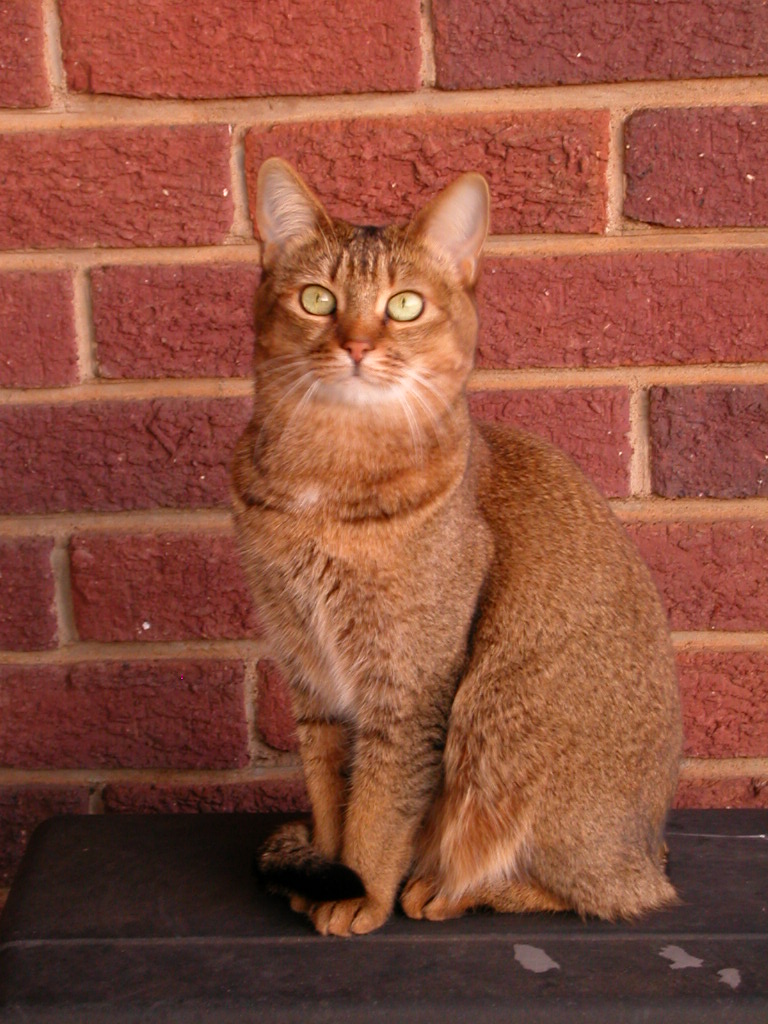
Abyssinians gained popularity for their athleticism, intelligence, and ticked coat, which creates a banded pattern on each hair, producing colors like ruddy, red, blue, and fawn. By the mid-20th century, the breed was well-established in Europe and North America, with standards emphasizing a sleek coat, slender frame, and lively temperament.
Somali Emergence
The Somali’s history begins within Abyssinian breeding programs in the 1940s and 1950s, when long-haired kittens occasionally appeared in litters. These kittens were likely the result of the recessive longhair gene introduced during earlier crossbreeding, particularly during World War II, when Abyssinian populations were low, and breeders paired them with long-haired breeds like Persians or domestic longhairs to maintain lines. Initially, these long-haired kittens were considered non-standard for the Abyssinian’s sleek coat and were often spayed, neutered, or placed as pets rather than bred.
In the 1960s, breeders began to appreciate the unique beauty of these long-haired Abyssinians. A key figure was Evelyn Mague, an American breeder in New Jersey, who founded the Don Juan Cattery. In 1963, Mague received a long-haired Abyssinian kitten named George from another breeder, who had intended to neuter him. Intrigued by his elegant appearance, Mague began a selective breeding program to develop the long-haired trait while preserving the Abyssinian’s slender body, large ears, and ticked coat. Around the same time, Canadian breeder Mary Mailing named a similar long-haired kitten “Somali” in 1969, referencing Somalia’s geographic proximity to Ethiopia, thus giving the breed its distinct identity.

By the early 1970s, other North American breeders, including Walter and Virginia Delp in Pennsylvania, joined the effort to establish the Somali as a separate breed. They focused on refining the breed’s medium-long, soft coat, bushy “bottlebrush” tail, and tufted ears while maintaining the Abyssinian’s playful, social personality and ticked coat, which creates a shimmering, multi-toned effect. The Somali’s coat colors mirrored the Abyssinian’s, including ruddy (a warm reddish-brown), red (cinnamon), blue (a soft slate-gray), and fawn (a light beige).
The Cat Fanciers’ Association (CFA) granted championship status to the Somali in 1978, and The International Cat Association (TICA) followed suit in 1979. Other registries, such as the GCCF in the UK, recognized the breed in the 1980s. These milestones solidified the Somali’s status as a distinct breed, separate from the Abyssinian, though closely related.
Somali’s Global Spread
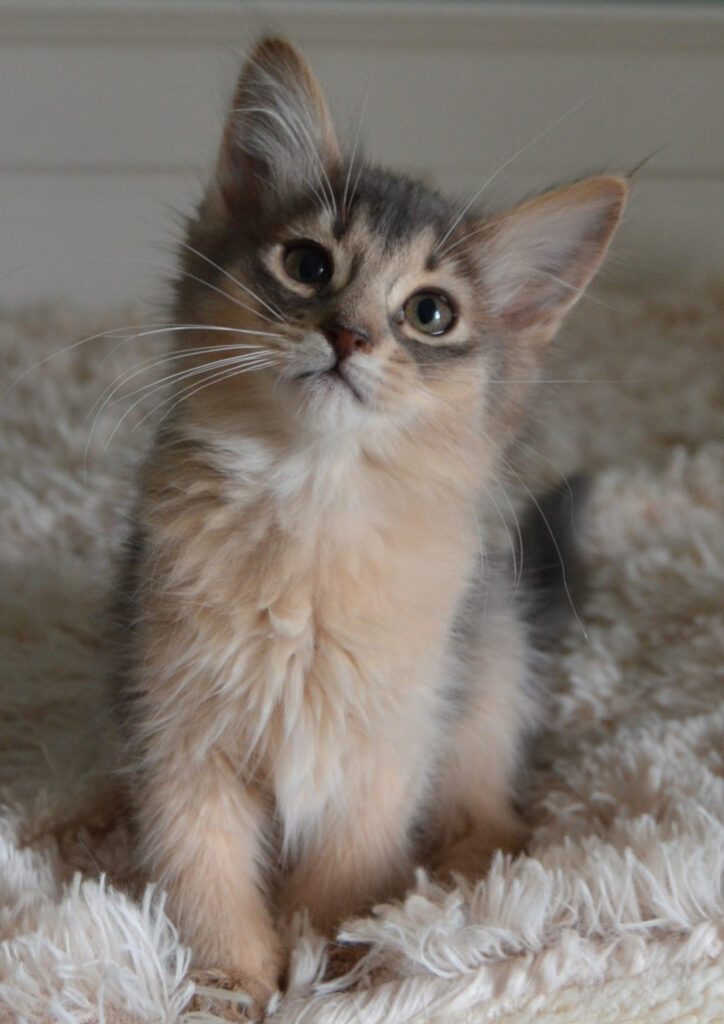
The Somali’s spread beyond North America was gradual, driven by the breed’s striking appearance and the efforts of dedicated breeders and cat fanciers. Below is an overview of its expansion:
United States and Canada: The Somali’s birthplace, North America, remained its stronghold. By the 1980s, Somali breeders were active across the U.S. and Canada, with catteries like Don Juan (Evelyn Mague) and Foxtail (Virginia Delp) producing high-quality cats that won in CFA and TICA shows. The breed’s popularity grew among pet owners drawn to its playful, dog-like personality and luxurious coat. Somali clubs, such as the Somali Breed Council within the CFA, formed to promote the breed and educate owners.
Europe: Somalis reached Europe in the late 1970s and early 1980s, primarily through exports from North American breeders. In the United Kingdom, the GCCF recognized the Somali in 1987, and British breeders began importing cats to establish local lines. The breed’s elegant appearance appealed to European cat fanciers, though it remained less common than the Abyssinian. In countries like Germany, France, and the Netherlands, Somali breeding programs emerged in the 1980s, often starting with imported cats. European breeders focused on maintaining the breed’s ticked coat and slender frame, sometimes crossing Somalis with Abyssinians to enhance genetic diversity while carefully selecting for the longhair trait.
Australia and New Zealand: Somalis arrived in Australia in the early 1980s, with imports from the U.S. and UK. Australian breeders, working under registries like the Australian Cat Federation (ACF), developed local lines, and the breed gained a small but enthusiastic following. New Zealand followed a similar path, with Somalis appearing in shows by the late 1980s. The breed’s rarity and exotic appearance made it a favorite among dedicated fanciers in Oceania.
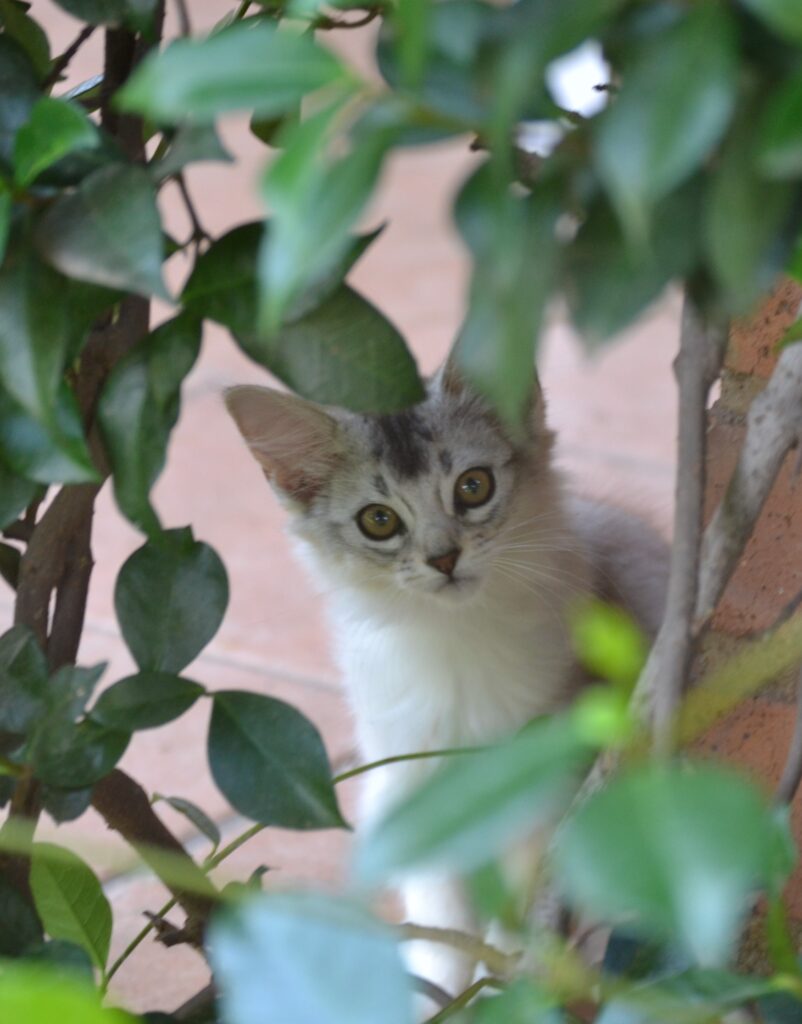
Asia and Other Regions: The Somali’s spread to Asia was slower, beginning in the 1990s. Japan, with its growing interest in purebred cats, saw Somali imports from North America and Europe, and local breeders began showcasing the breed in shows. In other parts of Asia, such as Singapore and Malaysia, Somalis remain rare but are gaining traction among affluent pet owners and cat show participants. In regions like South America, Africa, and the Middle East, the Somali is less common, with occasional imports by enthusiasts but no significant breeding programs.
The Somali’s global spread was supported by international cat shows and registries, which provided platforms for breeders to exchange knowledge and showcase their cats. However, the breed has remained relatively rare breed worldwide due to its niche appeal and the challenges of maintaining the longhair trait alongside the Abyssinian characteristics. Somalis require careful grooming to prevent matting of their medium-long coat, which may deter some owners, but their playful, affectionate nature and striking appearance have cultivated a dedicated global fanbase.
Modern Status
Today, Somalis are recognized by major registries worldwide, including CFA, TICA, GCCF, and Fédération Internationale Féline (FIFe). They compete in shows under standards that emphasize their slender, elegant body, large ears, bushy tail, and ticked coat, with coat colors expanded in some registries to include variations like silver. The breed’s personality—intelligent, curious, and highly social—makes them beloved as both show cats and companions.
The Somali’s history reflects a blend of genetic chance, with the unexpected longhair gene in Abyssinian litters, and purposeful breeding to create a distinct, graceful breed. From its North American origins in the 1960s, it has spread to Europe, Australia, Asia, and beyond, though it remains a relatively rare breed. The Abyssinian’s ancient roots and global establishment provided the foundation for the Somali’s development, while its unique beauty and engaging temperament continue to captivate cat lovers worldwide.